
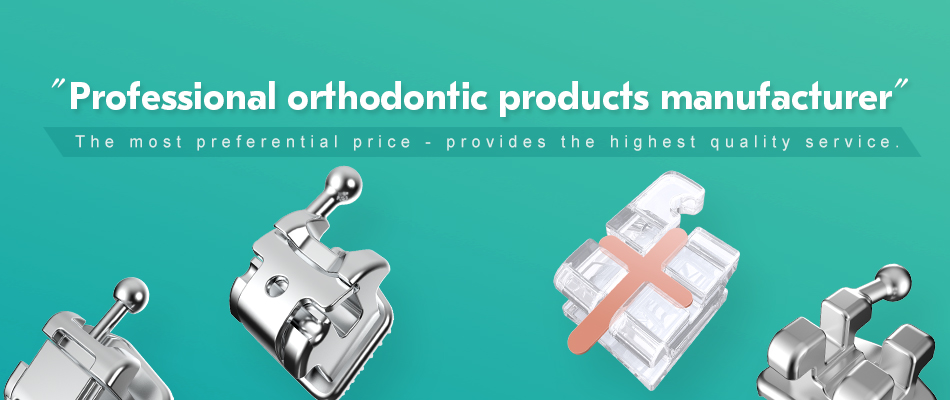

تامیلorthodontic bracketsتایاوکراینياردوازبکيویتناميولشژوسا
یدیش
- یوروبا
- زولو
- Self-ligating bracketsتاتار
- اوریاترکمني
- اویغور
Metal Brackets
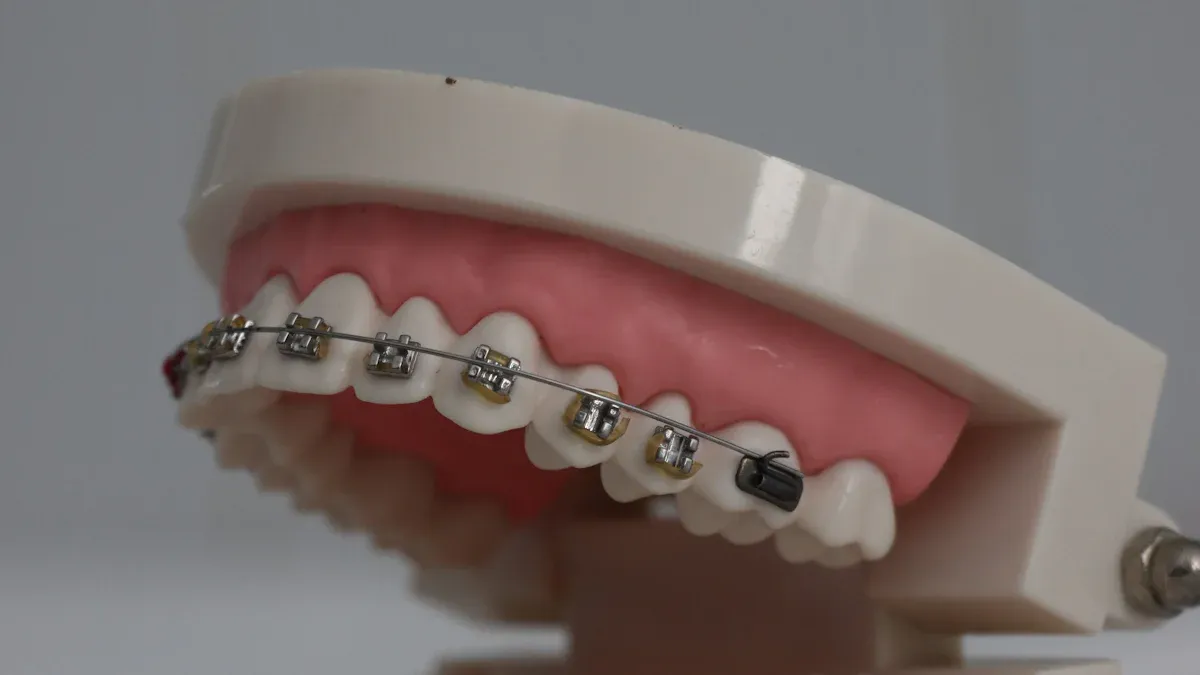
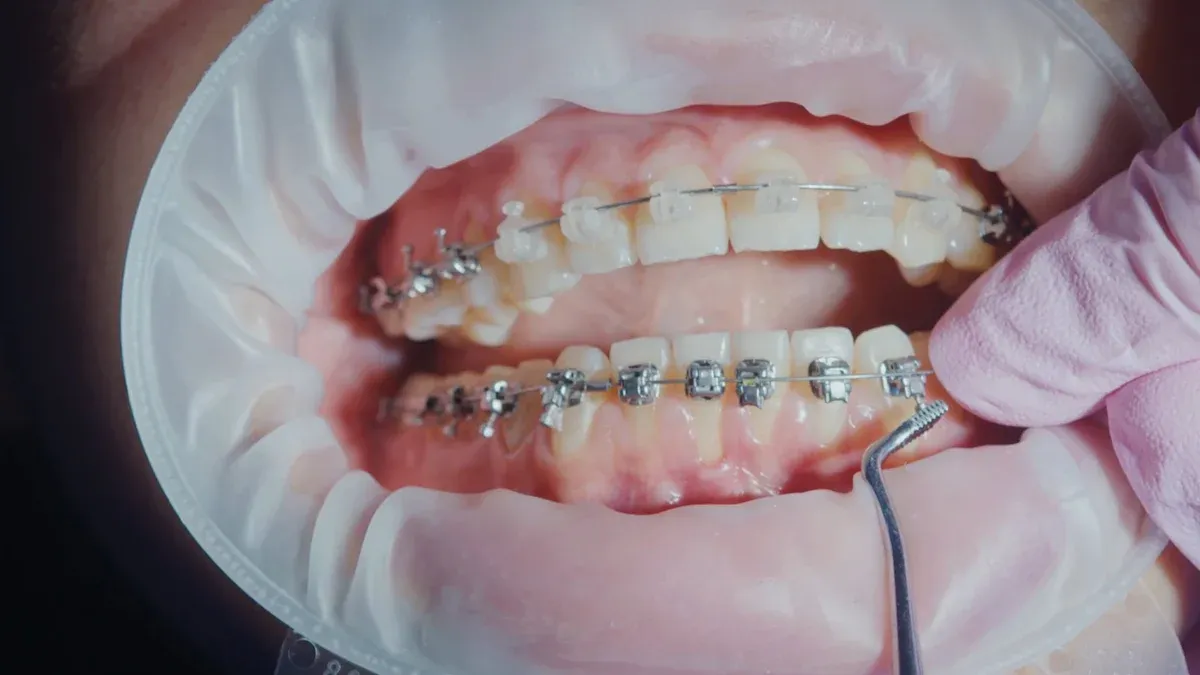
Metal brackets remain the most commonly used type in orthodontics due to their strength and effectiveness. These brackets typically consist of various materials, each offering distinct advantages and disadvantages.
| Material | Advantages | Disadvantages |
|---|---|---|
| Stainless Steel (SS) | Affordable, durable, high stiffness, biocompatible, corrosion resistant | Requires soldering, aesthetically unpleasing, lower springback than NiTi, potential corrosion issues |
| Silver Platinum-coated | Chemically resistant, effective antibacterial activity | Can corrode or abrade in oral settings, may not be as durable as SS |
| Titanium | Biocompatible, lower friction, safe with fluoridated foods | More plaque build-up, discoloration compared to SS |
Stainless steel brackets are particularly popular due to their affordability and durability. They provide high stiffness and corrosion resistance, making them suitable for long-term use. However, some patients find them less aesthetically pleasing. Silver platinum-coated brackets offer antibacterial properties, which can be beneficial for patients at higher risk of cavities. Yet, they may corrode in the oral environment. Titanium brackets are valued for their biocompatibility and lower friction, but they can lead to increased plaque accumulation.
In terms of treatment duration, studies indicate that metal brackets do not significantly differ from other types. For instance, self-ligating brackets may reduce treatment time slightly, but the overall difference is minimal. One study noted a mean treatment time of 21.25 months for conventional brackets compared to 19.19 months for self-ligating brackets. This suggests that while self-ligating brackets offer some efficiencies, the choice of bracket type does not drastically impact the length of treatment.
Patients should also be aware of potential side effects. Metal brackets can cause soft tissue irritation due to their edges, which may lead to discomfort during the initial adjustment period.
Overall, metal brackets provide a reliable option for orthodontic treatment, balancing effectiveness with cost and durability.
Ceramic Brackets
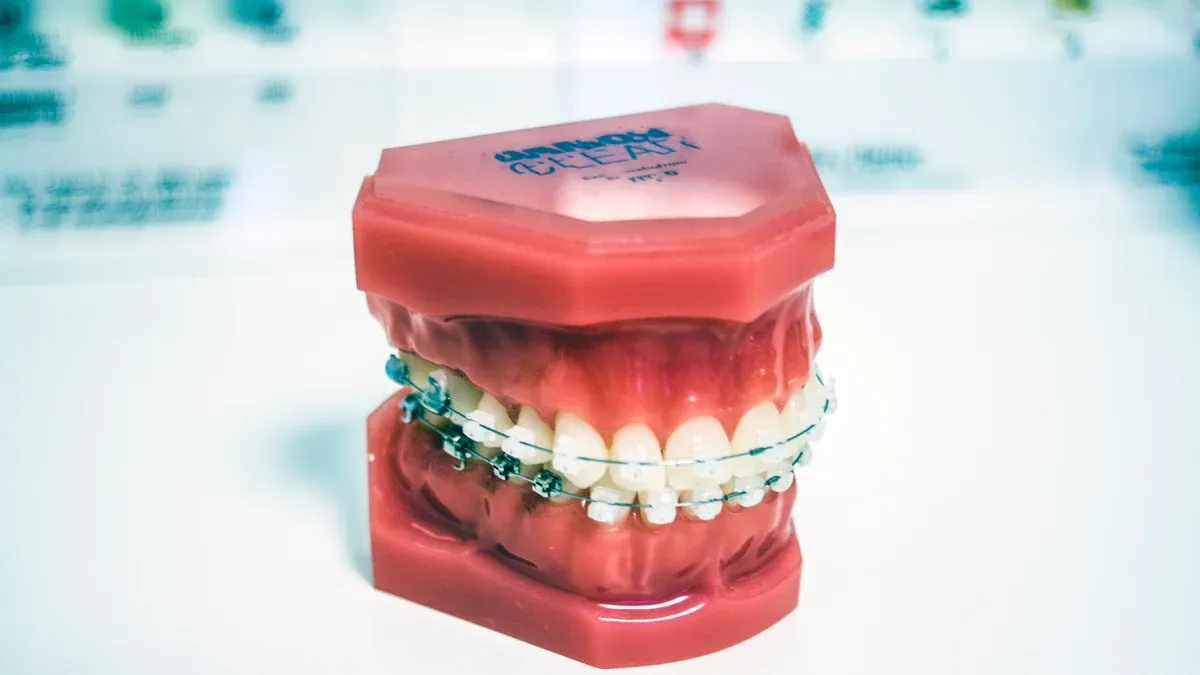
Ceramic brackets offer an aesthetic alternative to traditional metal brackets. They blend well with natural tooth color, making them less noticeable during treatment. Patients often prefer these brackets for their cosmetic appeal. However, they come with specific characteristics that potential users should consider.
Ceramic brackets typically consist of two main materials:
- Polycrystalline ceramics: These brackets provide superior aesthetics and mechanical resistance compared to plastic options.
- Monocrystalline sapphire: This material allows for better light transmittance, making it less visible than polycrystalline types.
While ceramic brackets enhance visual appeal, they also have some limitations. A comparison of strength and risk of breakage reveals that ceramic brackets have moderate strength but a higher risk of breakage compared to metal brackets. The following table illustrates this difference:
| Bracket Type | Strength | Risk of Breakage |
|---|---|---|
| Metal | High | Low |
| Ceramic | Moderate | High |
In terms of durability, ceramic brackets are generally good but may chip more easily than their metal counterparts. The risk of chipping can be a concern for patients who lead active lifestyles or engage in contact sports.
Cost is another factor to consider. Ceramic braces tend to be more expensive than metal braces. The average cost for ceramic braces is approximately $5,834, with a price range from $4,480 to $11,312. In contrast, metal braces average around $6,343, with a range from $2,500 to $10,000.
Patients should also be aware of potential staining issues. Ceramic brackets can discolor when exposed to certain substances. A study found that immersion in red wine, coffee, and coke led to noticeable staining, with red wine causing the most significant discoloration. The duration of exposure directly influenced the degree of staining observed.
Overall, ceramic brackets provide an excellent option for those prioritizing aesthetics. However, individuals must weigh the benefits against the potential drawbacks, including cost, durability, and maintenance.
Self-Ligating Brackets
Self-ligating brackets represent a modern advancement in orthodontic technology. These brackets utilize a built-in clip or door to secure the archwire, which significantly reduces friction compared to traditional brackets that rely on elastic ligatures. This reduction in friction allows for more efficient tooth movement with lighter forces.
Orthodontists categorize self-ligating brackets into two types: passive and active. Passive brackets minimize interference with the archwire, while active brackets apply gentle pressure to enhance control during treatment. This mechanism contributes to a more comfortable experience for patients.
Advantages of Self-Ligating Brackets
Self-ligating brackets offer several benefits:
| Advantage | Description |
|---|---|
| Enhanced Patient Comfort | Reduced friction and pressure lead to a more comfortable experience. |
| Fewer Office Visits | Adjustments can be spaced out more, reducing the number of required trips to the dentist. |
| Improved Oral Hygiene | Easier to clean due to the absence of elastic ligatures, promoting better oral health. |
Disadvantages of Self-Ligating Brackets
Despite their advantages, self-ligating brackets also have some drawbacks:
| Disadvantage | Description |
|---|---|
| Cost Implications | Generally more expensive than traditional braces. |
| Initial Discomfort | Some patients may experience discomfort due to the design of the brackets. |
Clinical studies report that patients treated with self-ligating brackets often complete their treatment 4 to 6 months sooner than those with conventional brackets. Additionally, these brackets typically result in fewer appointments. However, a systematic review indicated no evidence favoring self-ligating brackets over conventional ones in terms of treatment efficiency. It concluded that there is insufficient evidence to determine if treatment duration is more or less efficient with self-ligating brackets compared to conventional brackets.
Overall, self-ligating brackets provide a promising option for orthodontic treatment, balancing comfort and efficiency while requiring careful consideration of their cost and potential initial discomfort.
Key Factors to Consider
When selecting orthodontic brackets, patients should evaluate several key factors to ensure they make an informed decision. These factors include aesthetics, treatment duration, oral hygiene, lifestyle considerations, and long-term maintenance requirements.
Aesthetics
Aesthetic preferences play a significant role in bracket selection. Many patients desire a discreet option, especially adults and teens. Ceramic brackets offer a less noticeable appearance compared to metal brackets. However, patients should consider the potential for staining with ceramic options.
Treatment Duration
The duration of orthodontic treatment can vary based on the type of brackets chosen. Metal brackets are often the fastest option for complex cases. Self-ligating brackets may also reduce treatment time due to their design, which allows for more efficient tooth movement.
Oral Hygiene
Maintaining good oral hygiene is crucial during orthodontic treatment. Different bracket types have varying impacts on oral health:
- Metal brackets are durable and require minimal maintenance, making them forgiving for patients with inconsistent cleaning habits.
- Ceramic and sapphire brackets need more diligent care to avoid visible discoloration, necessitating strict oral hygiene routines.
- Self-ligating brackets do not use elastic ties, which reduces plaque accumulation and simplifies cleaning.
An in vivo study indicated that self-ligating brackets retain less plaque compared to metal brackets with steel ligatures. This suggests that the design of the brackets significantly influences oral hygiene effectiveness during orthodontic treatment.
Lifestyle Considerations
Lifestyle factors, such as diet and sports participation, can affect the suitability of various orthodontic brackets. For instance, traditional metal braces are durable but may cause mouth injuries during contact sports. Patients should consider using a mouthguard to protect their braces and teeth. Clear aligners, on the other hand, are removable, allowing for easier cleaning and less risk of injury during physical activities.
Long-Term Maintenance
Long-term maintenance requirements vary among bracket types. The following table summarizes the maintenance needs for different brackets:
| Bracket Type | Maintenance Requirements |
|---|---|
| Metal Braces | Low-maintenance; resistant to staining; straightforward daily care; avoid hard/sticky foods. |
| Ceramic Braces | Higher maintenance; requires diligent care to prevent staining; special attention to food choices and cleaning. |
| Self-Ligating Braces | Similar to metal but may require less frequent adjustments; easier cleaning due to no elastic ties. |
Patients should also be aware of dietary restrictions associated with their chosen brackets. For example, hard or sticky foods can damage brackets and prolong treatment.
Insurance and Cost
Insurance coverage and payment plans can differ for metal, ceramic, and self-ligating brackets. Self-ligating braces may be partially covered by insurance, similar to metal braces. The cost for self-ligating braces ranges from $2,000 to $7,000, which is comparable to metal braces. Patients should consult their insurance provider for specific coverage details.
How to Choose the Right Bracket
Selecting the right orthodontic bracket involves careful consideration of several factors. Patients should engage in a thorough consultation with their orthodontist to ensure they make an informed choice. Here are key steps to guide the decision-making process:
- Assess Treatment Options: Patients should ask their orthodontist about available treatment options and which they recommend. Understanding the differences between metal, ceramic, and self-ligating brackets can help patients make a more informed choice.
- Evaluate Treatment Duration: Inquire about the expected length of treatment. Some brackets may facilitate quicker results, especially for complex cases.
- Consider Costs and Payment Plans: Discuss the total cost of treatment and whether payment plans are available. This information can significantly impact the decision.
- Understand Maintenance Requirements: Different brackets require varying levels of maintenance. Patients should ask about the care needed during and after treatment to maintain optimal oral hygiene.
- Discuss Potential Risks: It is essential to understand any potential side effects or risks associated with the recommended treatment. This knowledge can help patients weigh the pros and cons effectively.
- Prepare for Treatment: Patients should ask if there are any preparatory steps they need to take before beginning treatment. This can include dietary adjustments or specific oral hygiene practices.
- Review Past Cases: Request to see before and after photos of similar cases the orthodontist has treated. This can provide insight into the expected outcomes.
Orthodontists assess patient needs based on several criteria to recommend the most suitable bracket type:
- Material of Brackets: Options include metal, ceramic, and self-ligating, each with unique benefits.
- Lifestyle and Preferences: Patients may choose based on aesthetics or durability.
- Orthodontic Goals: Treatment duration and complexity of dental issues affect bracket suitability.
- Personalized Consultation: Orthodontists evaluate individual conditions and goals to recommend appropriate options.
The decision-making process can be summarized in the following table, which outlines key factors and their importance:
| Factor | Weight |
|---|---|
| Cost | 0.1452 |
| Comfort | 0.1847 |
| Aesthetics | 0.1701 |
| Follow-up Period | 0.1397 |
| Difficulty of Cleaning | 0.1843 |
| Treatment Cycle | 0.1761 |
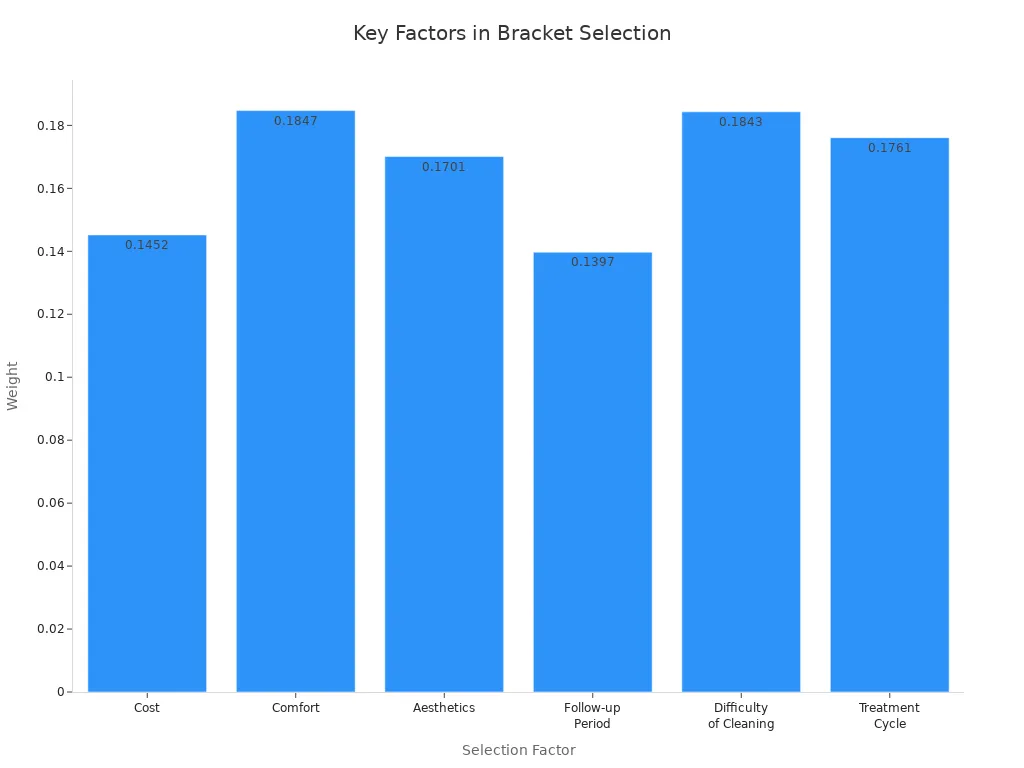
Orthodontic treatment goals significantly influence the choice of bracket types. If a patient aims for quicker results, certain brackets may be more effective. Additionally, the complexity of the dental issues at hand can determine the most appropriate bracket type needed for optimal alignment. An orthodontist’s expertise is crucial in guiding patients through the bracket selection process, ensuring that the chosen brackets align with the desired treatment outcomes.
Choosing the right orthodontic brackets significantly impacts treatment outcomes. Key points include:
- Metal brackets offer durability and cost-effectiveness.
- Ceramic brackets provide aesthetic appeal but may require more maintenance.
- Self-ligating brackets can enhance patient comfort and reduce treatment time by approximately 25%.
Consulting with an orthodontist ensures that individuals receive personalized advice tailored to their specific needs. This professional guidance aligns treatment options with patient goals, enhancing overall satisfaction and efficiency.
| Benefit | Description |
|---|---|
| Treatment Efficiency | Self-ligating brackets can reduce treatment time by several weeks and minimize patient visits. |
| Patient Comfort | Orthodontists consider patient-specific factors such as comfort and aesthetics. |
| Alignment with Patient Needs | Careful evaluation of options ensures that choices align with both patient needs and practice goals. |
Embrace the journey to a healthier smile by seeking expert advice today!
FAQ
What are the main differences between metal and ceramic brackets?
Metal brackets are durable and cost-effective, while ceramic brackets offer better aesthetics but may chip more easily. Metal brackets are less noticeable, but ceramic brackets blend with natural tooth color.
How long does orthodontic treatment typically take?
Treatment duration varies based on bracket type and individual needs. On average, metal brackets may require around 21 months, while self-ligating brackets can reduce treatment time by 4 to 6 months.
Are self-ligating brackets more comfortable than traditional brackets?
Yes, self-ligating brackets often provide enhanced comfort due to reduced friction. Their design minimizes pressure on teeth, leading to a more pleasant experience during treatment.
Can I eat normally with braces?
Patients should avoid hard, sticky, or chewy foods that can damage brackets. Soft foods are recommended, especially during the initial adjustment period. Maintaining good oral hygiene is essential.
How often should I visit the orthodontist during treatment?
Typically, patients visit the orthodontist every 4 to 8 weeks for adjustments. Self-ligating brackets may require fewer visits due to their design, allowing for more extended intervals between appointments.
Post time: Mar-06-2026